Cuisine India Society
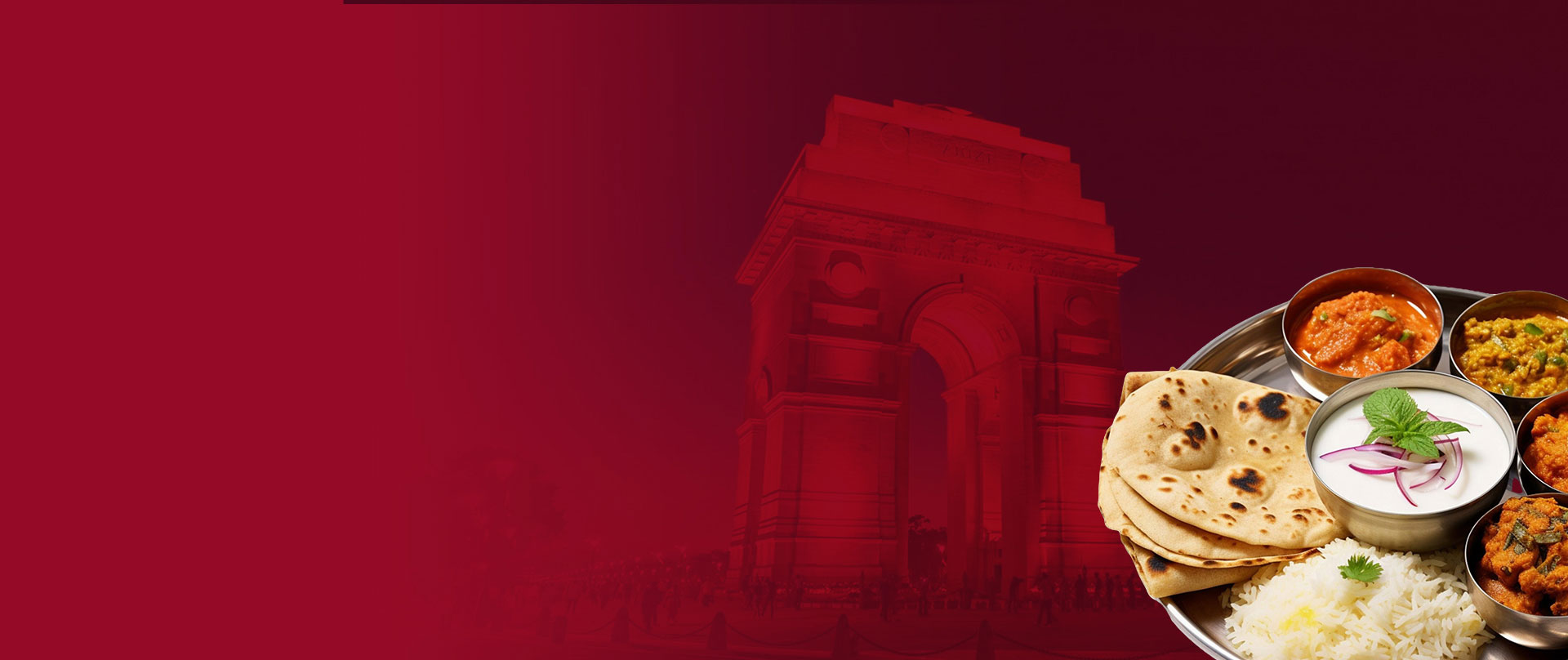
Cuisine
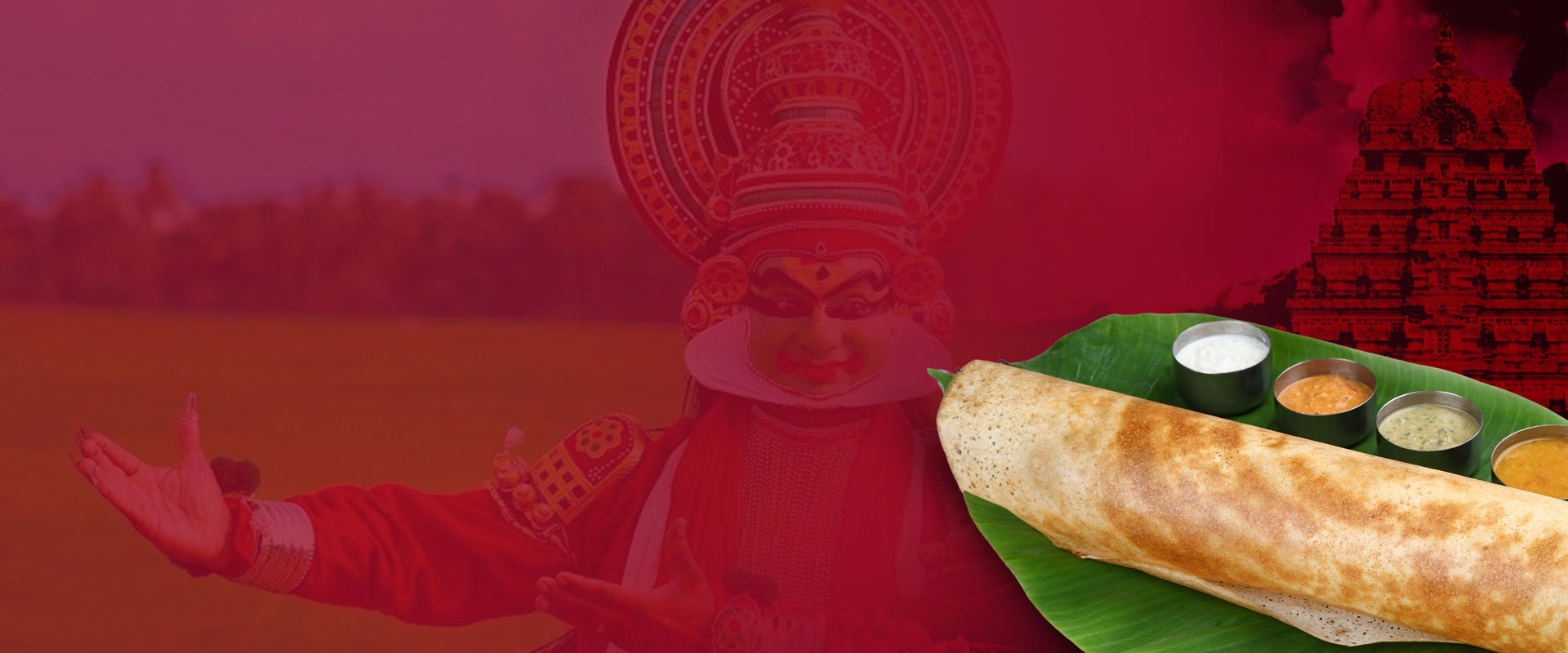
Cuisine
In the heart of India, where history and modernity meet, the Cuisine India Society was established in 2010. Our mission is to celebrate and promote India’s rich culinary heritage, ensuring every dish tells a story and every flavour takes you on a journey.
India is a land where the air is filled with the aroma of spices, where each bite of food is a taste of history. As the Vedas note, “Annam Brahma,” meaning “Food is Divine”, this divine nature of Indian food is at the core of our mission.
Celebrating India’s culinary legacy while shaping the future of global gastronomy.
To position India as the world’s most respected culinary civilization — celebrating its rich heritage while shaping the future of global gastronomy through innovation, sustainability and wellness.
To preserve, promote and evolve Indian Cuisine by:
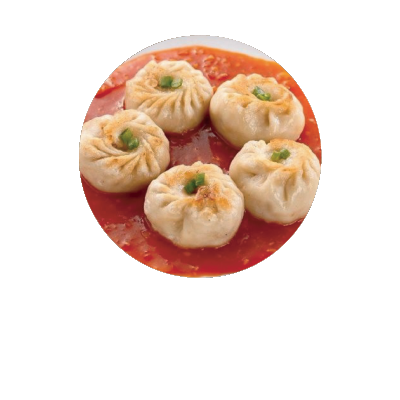
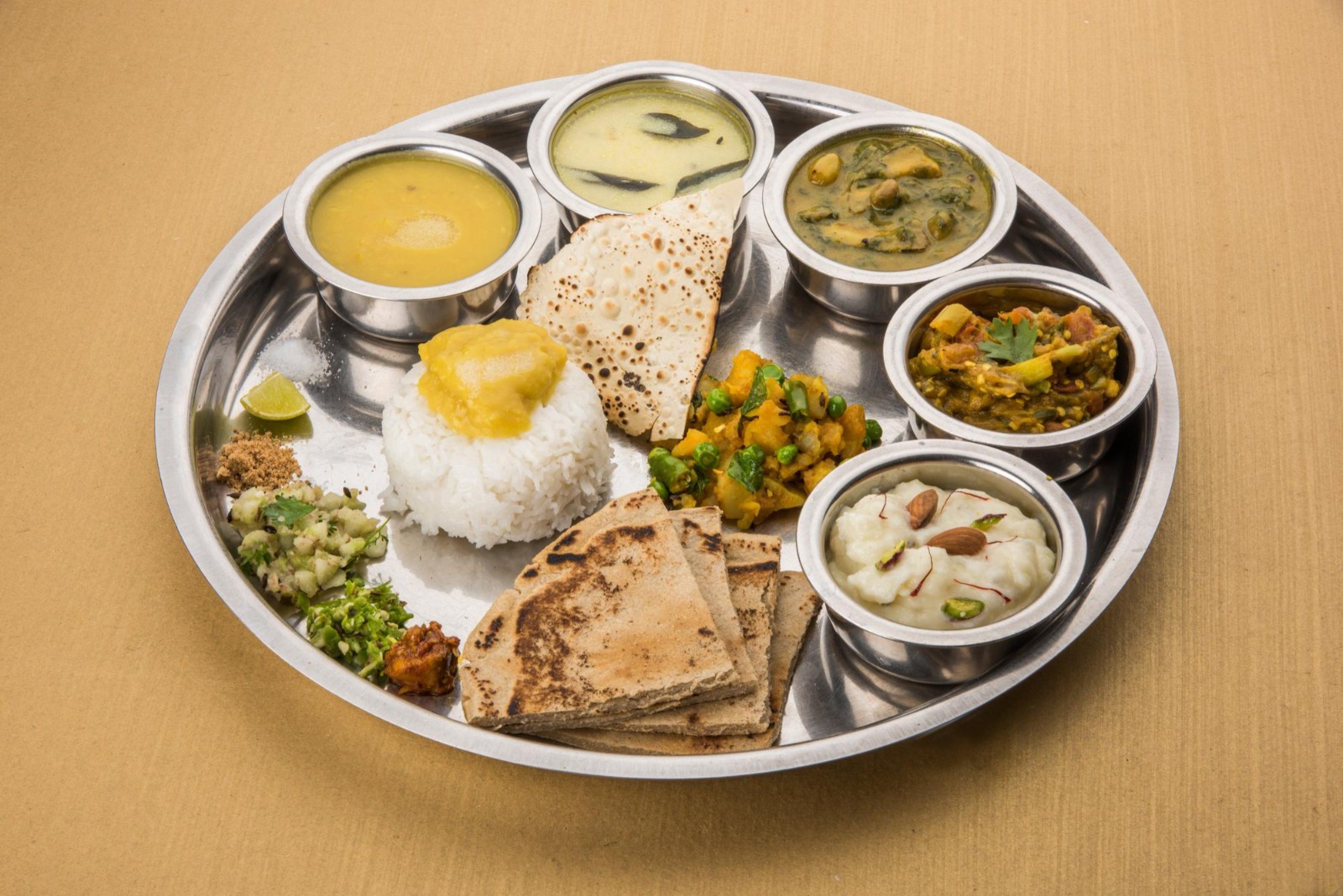
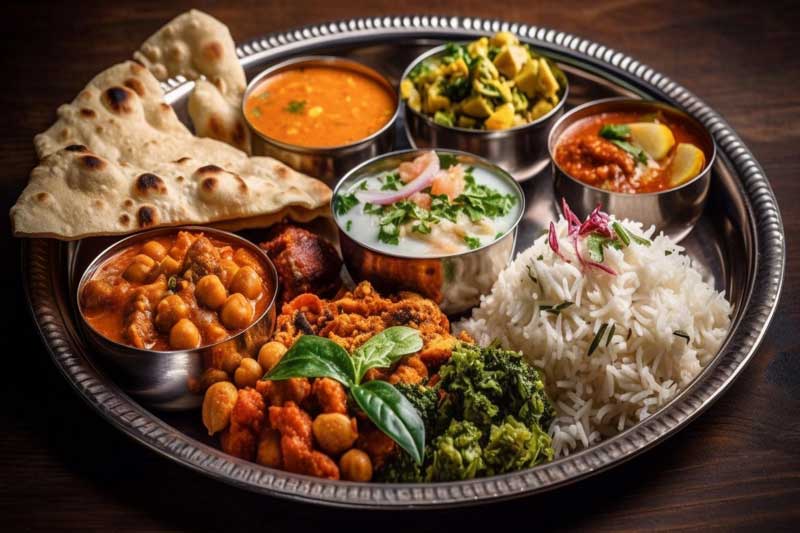
Experience the rich flavors of Indian cuisine, where every dish shares a story of tradition, culture, and heritage.
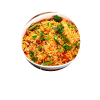
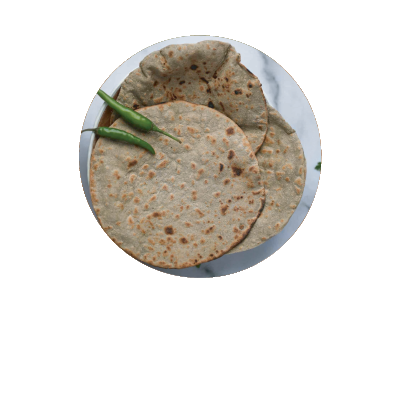
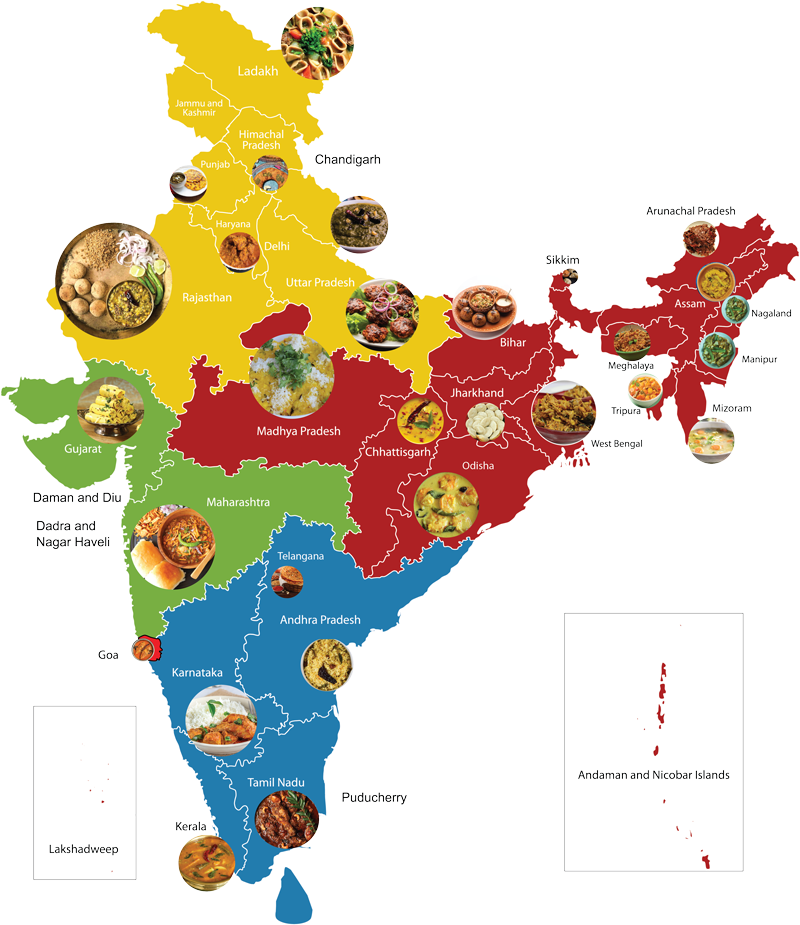
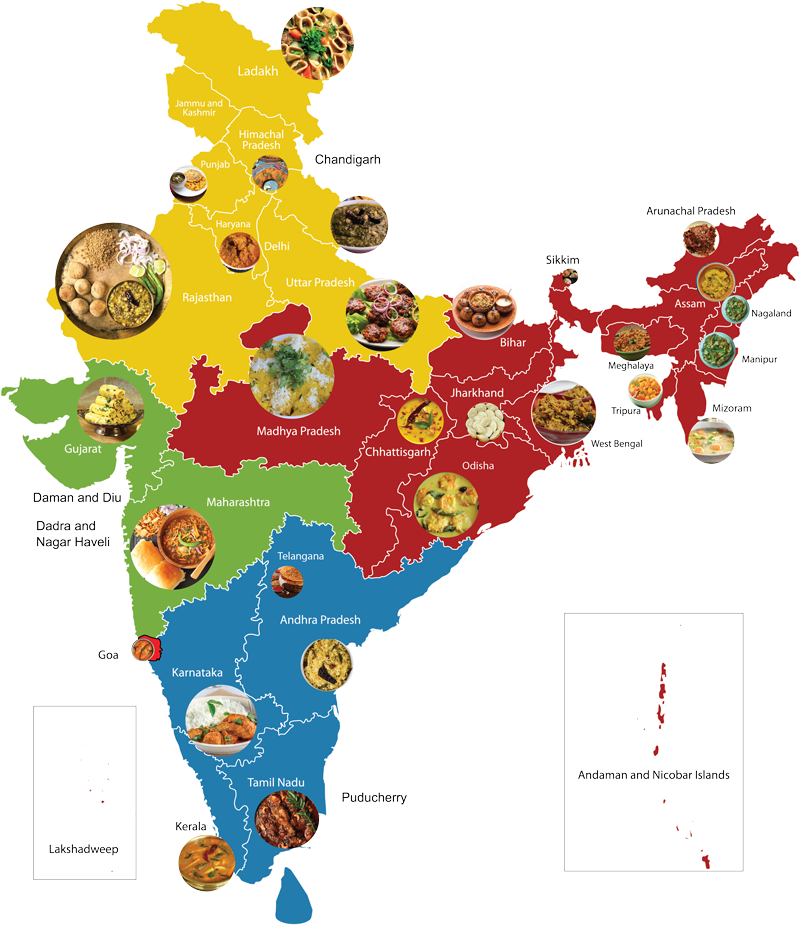
Embark on a culinary journey through the rich heritage and diverse delicacies of North Indian cuisine.
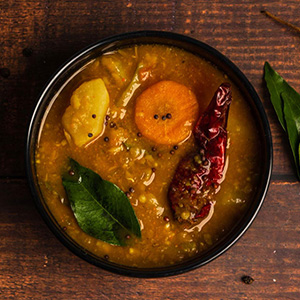
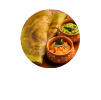
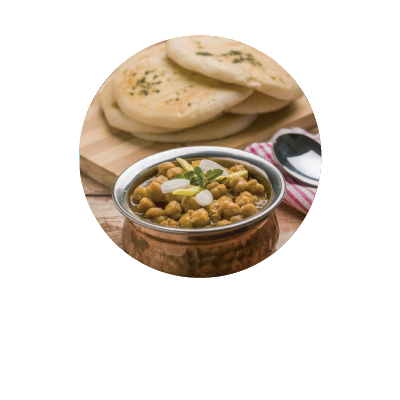
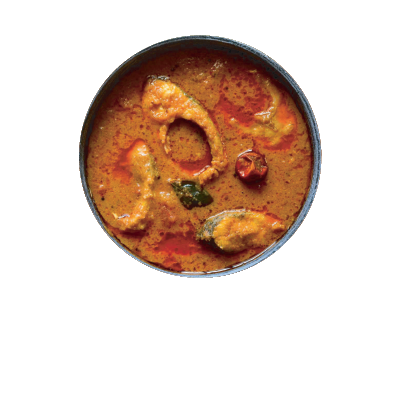
Dive into a flavorful journey through the vibrant and diverse delicacies of South Indian cuisine.
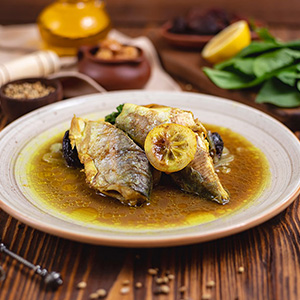
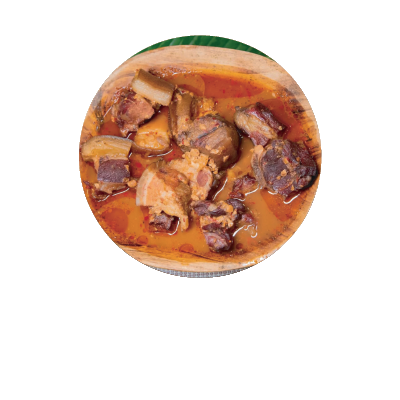
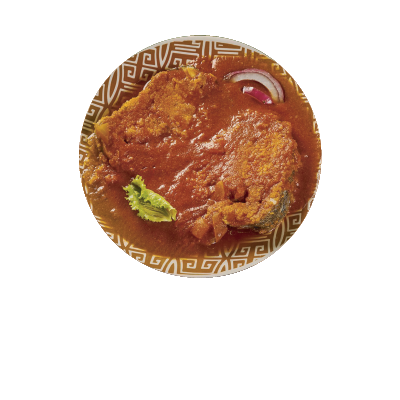
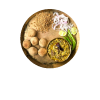
Discover the Diverse Flavors, Aromatic Spices, and Cultural Heritage of East Indian Cuisine.
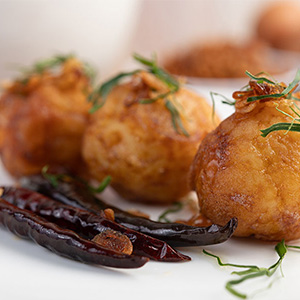
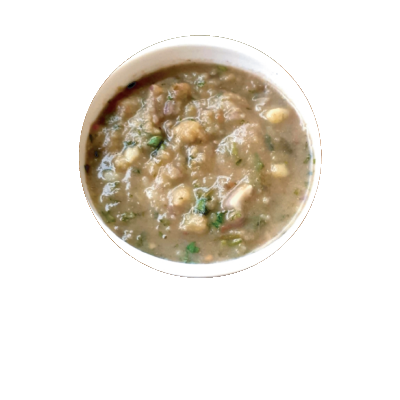
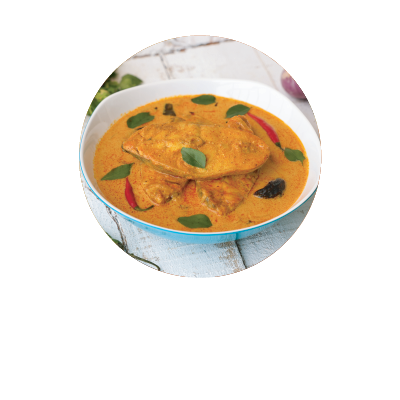
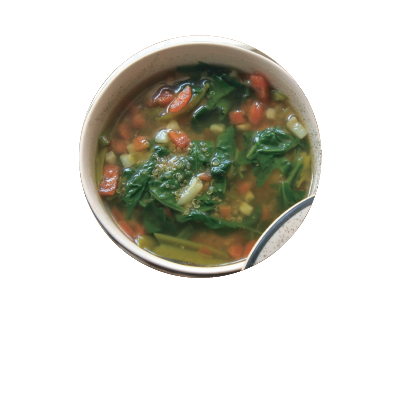
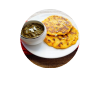
West Indian cuisine is a vibrant blend of cultures, featuring rich curries, tropical fruits, and fiery spices.
Celebrating the rich heritage, diverse flavors, and timeless culinary artistry of Indian cuisine—honoring traditional recipes and cooking techniques passed down through generations across every region of India.
Indian cuisine offers a wide range of flavors, from mild to spicy. Many dishes, such as dal (lentils), kheer (rice pudding), and paneer tikka, are very mild, relying more on aromatic spices rather than heat. The level of spice can be adjusted according to individual preference.
Indian food can be incredibly nutritious. Ingredients like lentils, vegetables, yogurt, and whole grains are staples. Cooking methods like steaming, boiling, or grilling are common in Indian kitchens, making many dishes healthy and balanced. For instance, vegetable curries, dal, and grilled tandoori chicken are all healthy options.
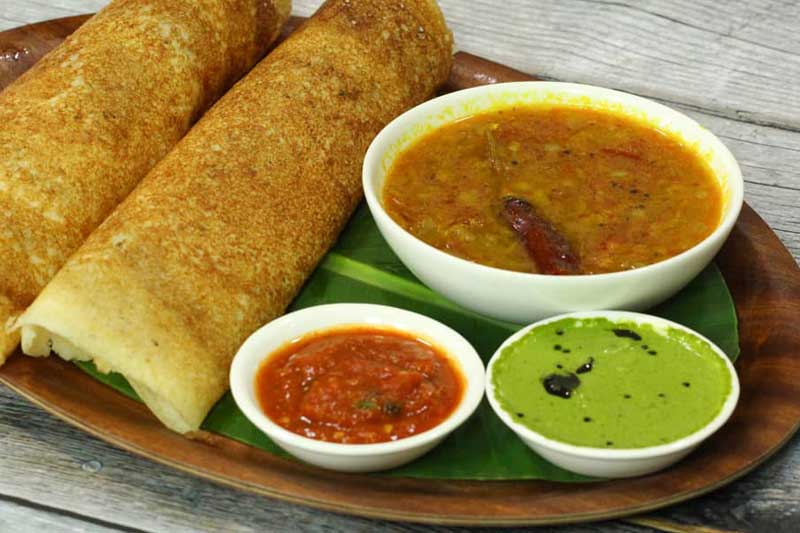
The term "curry" is a Western label that doesn't capture the diversity of Indian cuisine. India offers a variety of dishes, such as biryani, parathas, dosas, and idlis, that are not curries at all. Indian food is based on region, seasonality, and available ingredients.
While vegetarianism is common due to cultural and religious practices, India has a rich tradition of non-vegetarian food, particularly in regions like Kerala, Goa, and West Bengal, where seafood, chicken, mutton, and beef are widely consumed. Regional cuisines offer a wide variety of non-vegetarian options.
While deep-fried snacks like samosas and pakoras are popular, most Indian meals are not deep-fried. Many dishes are made with healthy cooking techniques, such as steaming (idlis), boiling (dal), or grilling (tandoori). Even the celebrated roti and naan are not fried, and many home-cooked meals use minimal oil.
While some Indian dishes may be rich in oil or ghee, many dishes are prepared with minimal oil. Traditional recipes like dal, vegetable stews, and grilled meats focus more on spices and herbs, without relying heavily on oil. Indian cuisine has a wide variety of lighter options, especially in home-cooked meals.
Rice is a staple in many regions, particularly the South and East, but bread (such as roti, naan, or paratha) is the primary staple in North India. Each region has its own preferred carbohydrate, and many Indian meals are served with breads rather than rice.
While many traditional Indian sweets do include sugar and ghee, there are a variety of desserts made from healthier ingredients like jaggery, dates, and fruits. Examples of this include gajak (sesame and jaggery bars) and laai (jackfruit-based sweets), which offer a different, often healthier, alternative.
While some dishes do take time and effort, many Indian recipes are simple and quick to make. Dishes like khichdi (a rice and lentil dish), chana masala (chickpea curry), or sabzi (vegetable curry) can be made in under 30 minutes, demonstrating that Indian food can also be quick and easy.
Indian food is incredibly diverse, varying greatly across regions. For instance, South Indian food features dosas, idlis, and sambar, while North Indian cuisine offers tandoori dishes and roti. West Bengal has a unique focus on fish and mustard, and Punjab is known for its butter chicken and parathas. Each state and region has its own distinct flavors and cooking techniques.
A diverse group of passionate professionals, united by a shared vision and dedicated to achieving excellence.
 President
 Secretary
 Executive Member
 Executive Member
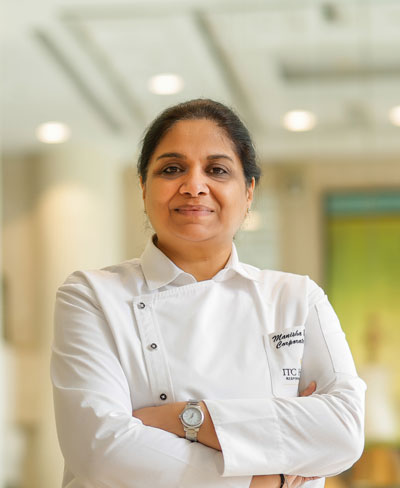 Executive Member
 Executive Member
 Executive Member
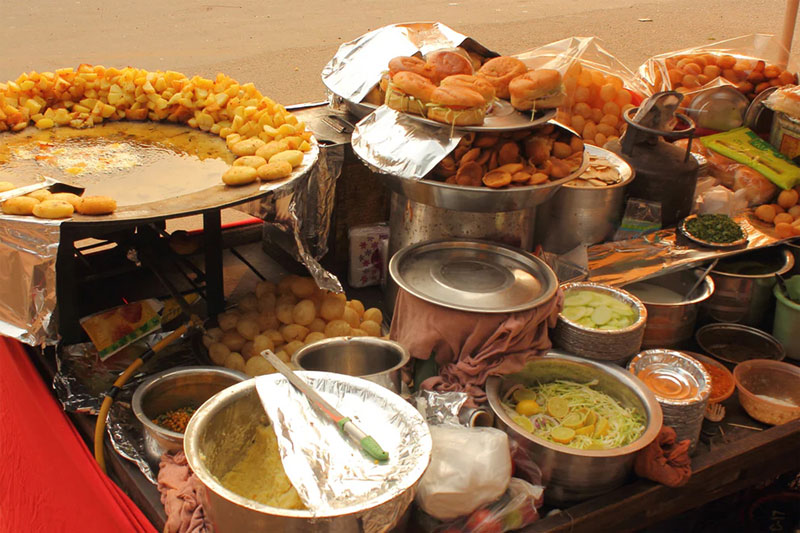
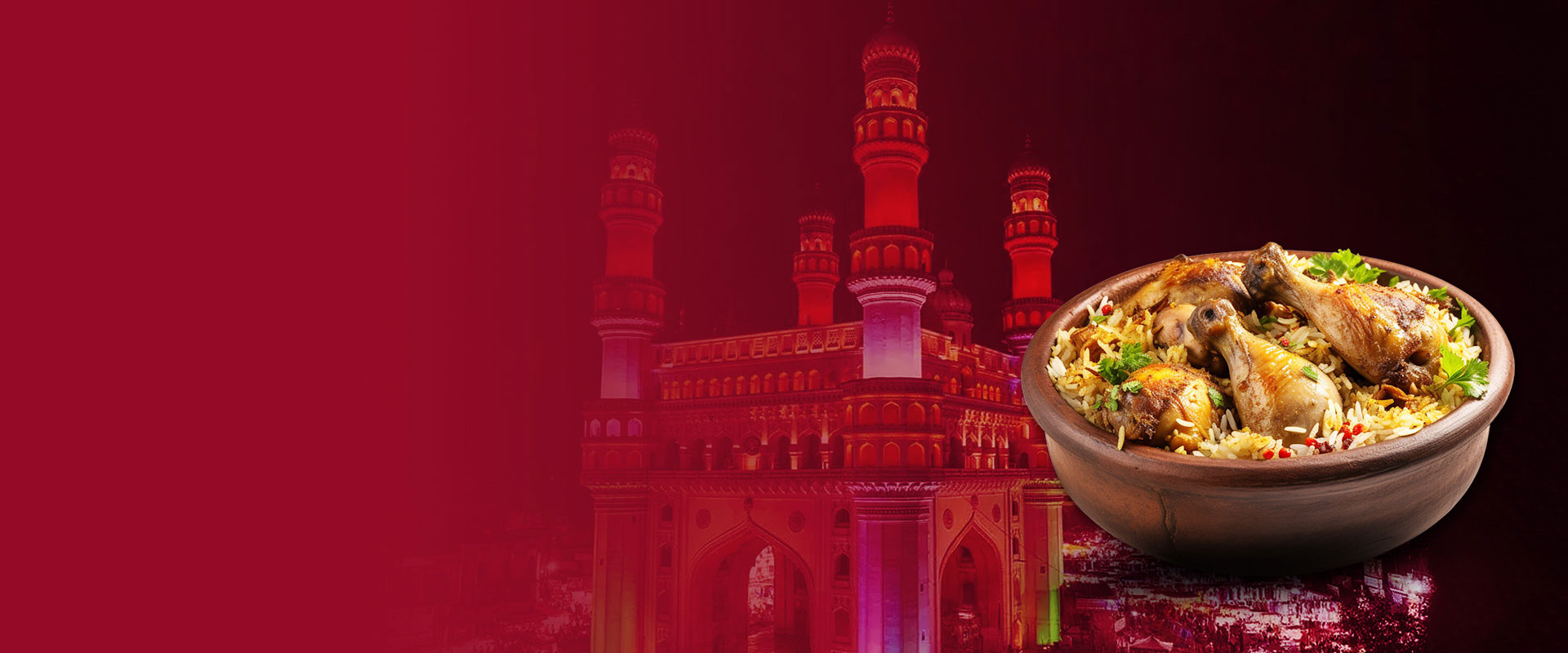
Cuisine India Society was born out of a passion for the rich and diverse culinary traditions of India. Our journey began with a simple idea: to bring the authentic flavors of India to your table. From the bustling streets of Delhi to the serene backwaters of Kerala, our menu is a tribute to the traditional recipes passed down through generations.
“Bharat has long understood the medicinal value of food, as outlined in the Charak Samhita, which describes how ingredients not only nourish the body but also restore balance and heal the mind. Traditional recipes serve as time-tested solutions for health and well-being, making them more relevant than ever in today’s world. This fusion of science and tradition underscores the importance of preserving and promoting Bharat’s culinary heritage.”
From spice secrets to soulful stories - explore the rich tapestry of Indian cuisine, one blog at a time.